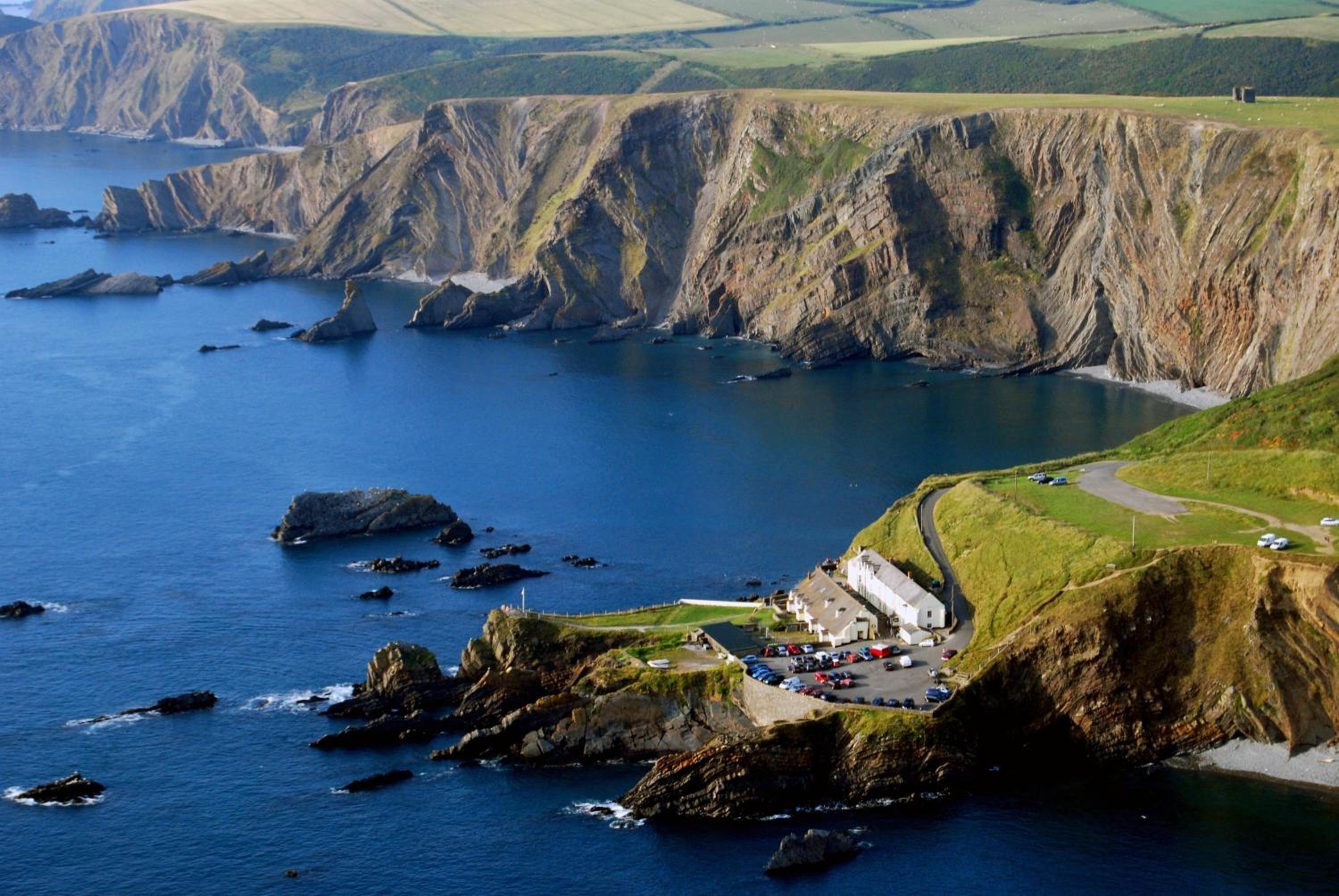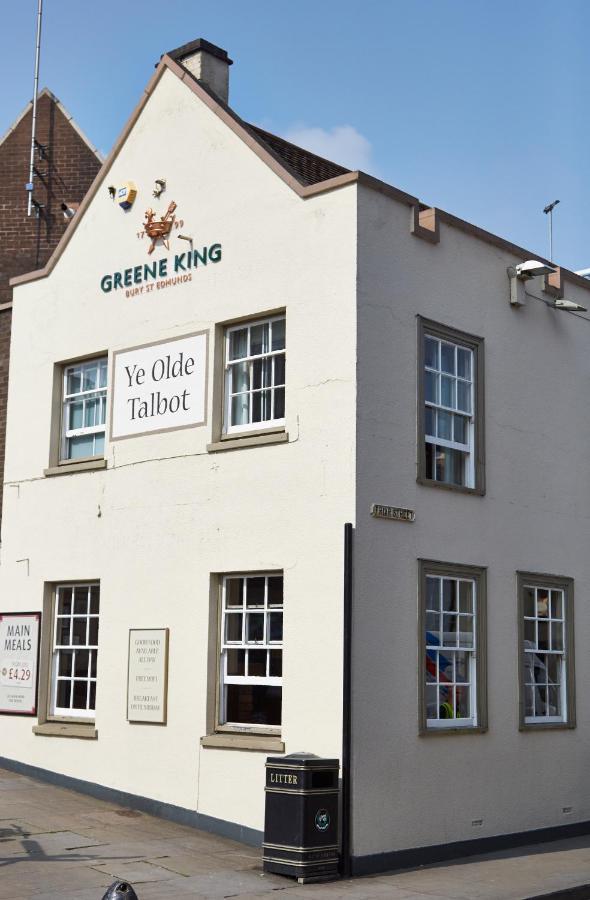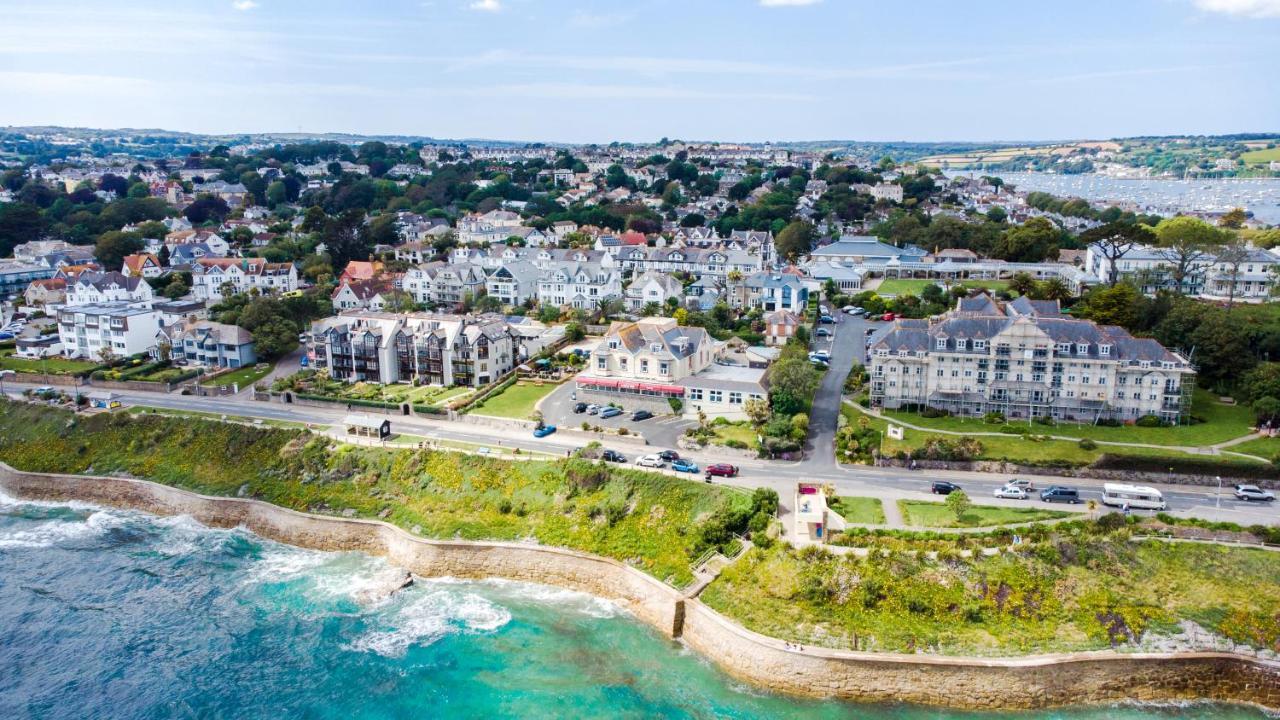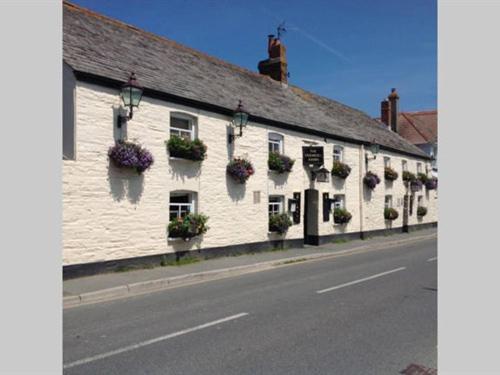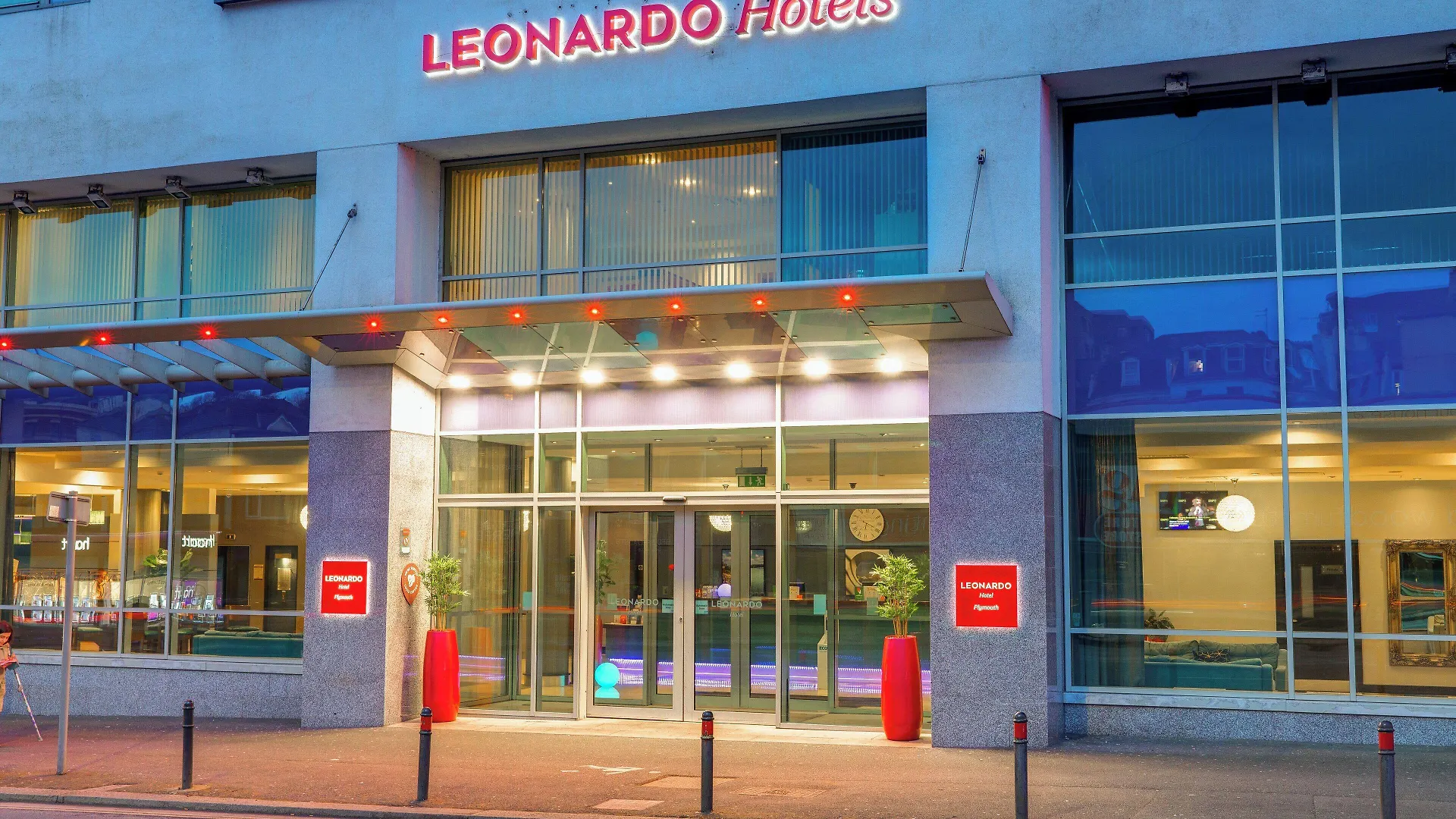
Devon stretches from the rugged Atlantic cliffs of Ilfracombe to the sheltered estuary towns of the South Hams, which means choosing a centrally located hotel here requires more thought than in a compact city. Whether you're anchoring in Plymouth's city centre, positioning yourself near Dartmoor, or targeting the North Devon coast, a well-placed hotel cuts drive times dramatically and opens up more of the county per day. This guide covers 15 central hotels in Devon across key towns and landscapes, with enough detail to match each property to the right type of traveller.
What It's Like Staying in Devon
Devon is England's third-largest county, and that scale shapes every accommodation decision. No single town serves as a universal base - Plymouth anchors the south, Barnstaple the north, and Exeter sits centrally but is often overlooked by visitors focused on coastline or moorland. Public transport links between towns are limited outside of the main rail corridors, so your hotel's location relative to your planned activities matters more than in most UK destinations. Crowds concentrate heavily along the coast between June and August, particularly around Salcombe, Sidmouth, and Ilfracombe, while Dartmoor and the inland villages remain relatively accessible even at peak times.
Car hire or travelling with your own vehicle is almost essential for guests wanting to explore widely, as bus routes between coastal villages can add hours to short journeys. Visitors focused purely on one town - say, Bideford or Tavistock - can manage without a car, but cross-county exploration on public transport alone is impractical for most itineraries.
Pros:
Devon offers genuine landscape variety within one county - moors, two coastlines, and river valleys - accessible from centrally placed hotels
Staying in a market town like Barnstaple or Tavistock gives direct access to both rural hinterland and local amenities without resort-level pricing
Off-peak stays (October to March) bring quieter roads, lower rates, and uncrowded access to the South West Coast Path
Cons:
Without a car, reaching many of Devon's most celebrated spots from a central hotel requires significant planning around infrequent rural bus services
Coastal towns like Sidmouth and Ilfracombe can feel isolated in winter, with reduced restaurant and attraction hours
Summer traffic on the A38 and A361 can turn a 40-minute drive into a two-hour journey, limiting how much ground you can realistically cover per day
Why Choose a Central Hotel in Devon
Central hotels in Devon are defined less by their position within a city grid and more by their accessibility to the key draws of whichever part of the county they sit in. A hotel in the centre of Barnstaple, for example, puts you within reach of the Tarka Trail, North Devon's beaches, and Exmoor without requiring a long drive each morning. Central positioning in Devon typically commands a price premium of around 20% over equivalent properties on the rural fringes, but the savings in fuel costs and time can offset this quickly across a week-long stay. Room sizes in central Devon hotels vary considerably - town-centre properties in Plymouth tend toward compact urban layouts, while market-town hotels in Tavistock or Moretonhampstead often offer larger rooms in historic buildings.
The trade-off in coastal towns is noise and parking. Seafront-adjacent hotels in Ilfracombe or Sidmouth fill quickly after May, and guests arriving without a reservation by late spring often face limited availability or sharp last-minute rate increases. Inland central hotels - Dartmoor-edge properties like those in Haytor or Moretonhampstead - offer quieter surroundings, easier parking, and more stable pricing, but require a drive to reach any beach.
Pros:
Central hotels in Devon's market towns provide walkable access to local pubs, independent restaurants, and transport links without car dependency for evening outings
Many centrally located properties in Devon include free parking, a significant advantage over coastal resort hotels where parking can add around £15 per day
Staying centrally within a specific zone (North Devon, South Hams, Dartmoor) dramatically reduces daily driving time compared to hotels on town peripheries
Cons:
Central hotels in popular coastal towns like Salcombe and Sidmouth book out weeks ahead during school holidays, limiting flexibility for late planners
Some central town properties in Devon are located on busy through-roads, which can generate traffic noise particularly in summer when windows need to stay open
Truly central positioning in Devon's smaller villages often means fewer dining options within walking distance compared to larger urban centres
Practical Booking & Area Strategy for Devon
Devon divides naturally into three strategic bases: Plymouth in the south for city amenities and access to Cornwall; Barnstaple in the north for the Atlantic coast and Exmoor; and the Dartmoor edge towns - Tavistock, Moretonhampstead, and Haytor - for moorland immersion. Plymouth's train station connects directly to London Paddington in around 3 hours, making it the only realistic base for car-free visitors wanting to range across the county. Barnstaple has a branch line from Exeter, but North Devon's most scenic spots - Croyde, Clovelly, Lynton - require either a car or a carefully planned bus connection from there.
For the South Devon coast, hotels in Sidmouth and Salcombe are essentially destination stays rather than exploration bases; both towns sit at the end of long, narrow approach roads that clog badly in summer. Bideford and Appledore suit travellers wanting a quieter North Devon base with access to the Torridge Estuary and Lundy Island ferry. Booking at least 8 weeks ahead for any Devon coastal hotel between July and August is strongly advisable - the county attracts millions of domestic visitors annually and premium central rooms at well-reviewed properties routinely sell out before June. Key attractions near centrally placed hotels include Dartmoor National Park, the South West Coast Path, Exmoor National Park, and Newton Abbot Racecourse.
Best Value Central Hotels in Devon
These properties offer well-positioned bases across Devon's key towns and coastal villages, with strong facilities relative to their price point - making them the practical choice for travellers prioritising location and reliability over luxury finishes.
-
1. Leonardo Hotel Plymouth
Show on map


Hurry – almost gone at this price!
fromUS$ 66
-
2. The Park Hotel
Show on map


Rooms filling fast – secure the best rate!
fromUS$ 111
-
3. Bedford Hotel
Show on map


Just a few rooms left at the best rate!
fromUS$ 271
-
4. The Swan
Show on map


Just a few rooms left at the best rate!
fromUS$ 134
-
5. Imperial Hotel
Show on map


Hurry – almost gone at this price!
fromUS$ 70
-
6. The Royal George
Show on map


Rooms filling fast – secure the best rate!
fromUS$ 193
-
7. Tavistock House Hotel
Show on map


Hurry – almost gone at this price!
fromUS$ 207
-
8. Durham House
Show on map


Just a few rooms left at the best rate!
fromUS$ 150
-
9. The Royal Hotel
Show on map


Just a few rooms left at the best rate!
fromUS$ 156
-
10. Sinai House
Show on map


 from
fromUS$ 86
-
11. Kestor Inn
Show on map


Rooms filling fast – secure the best rate!
fromUS$ 145
-
12. The White Hart Hotel
Show on map


 from
fromUS$ 98
-
13. Rock House Hotel
Show on map


Hurry – almost gone at this price!
fromUS$ 143
Best Premium Central Hotels in Devon
These two properties stand out for their beachfront or Dartmoor moorland settings, elevated dining, and facilities that go beyond the standard central Devon offer - suited to travellers for whom location quality and on-site experience are the primary booking criteria.
-
1. South Sands Hotel
Show on map


 from
fromUS$ 313
-
2. The Moorland Hotel, Haytor, Devon - The Coaching Inn Group
Show on map


Rooms filling fast – secure the best rate!
fromUS$ 221
Smart Travel & Timing Advice for Devon
Devon's peak season runs from late July through August, when school holidays drive occupancy at coastal hotels to near capacity and room rates at beachfront properties in Salcombe, Sidmouth, and Ilfracombe can increase by around 50% compared to shoulder season. The best value window for central Devon hotels is May, June, and September - the weather is reliably mild, crowds are manageable, and most attractions, coastal paths, and restaurants operate full schedules without the congestion of the main summer peak. Dartmoor and Exmoor-edge hotels maintain steadier pricing year-round than coastal properties, making them a better option for last-minute bookings if the coast is already sold out.
For most Devon itineraries, a minimum of 4 nights is needed to genuinely explore more than one zone of the county without spending excessive time driving. Splitting your stay between two bases - one coastal, one moorland - maximises what Devon's landscape range can offer without the daily long drives that a single fixed base requires. October through March brings significantly reduced road traffic and genuine off-season pricing at inland properties, though some smaller coastal guesthouses close entirely between November and February, so confirming availability before booking peripheral coastal villages is essential during those months.