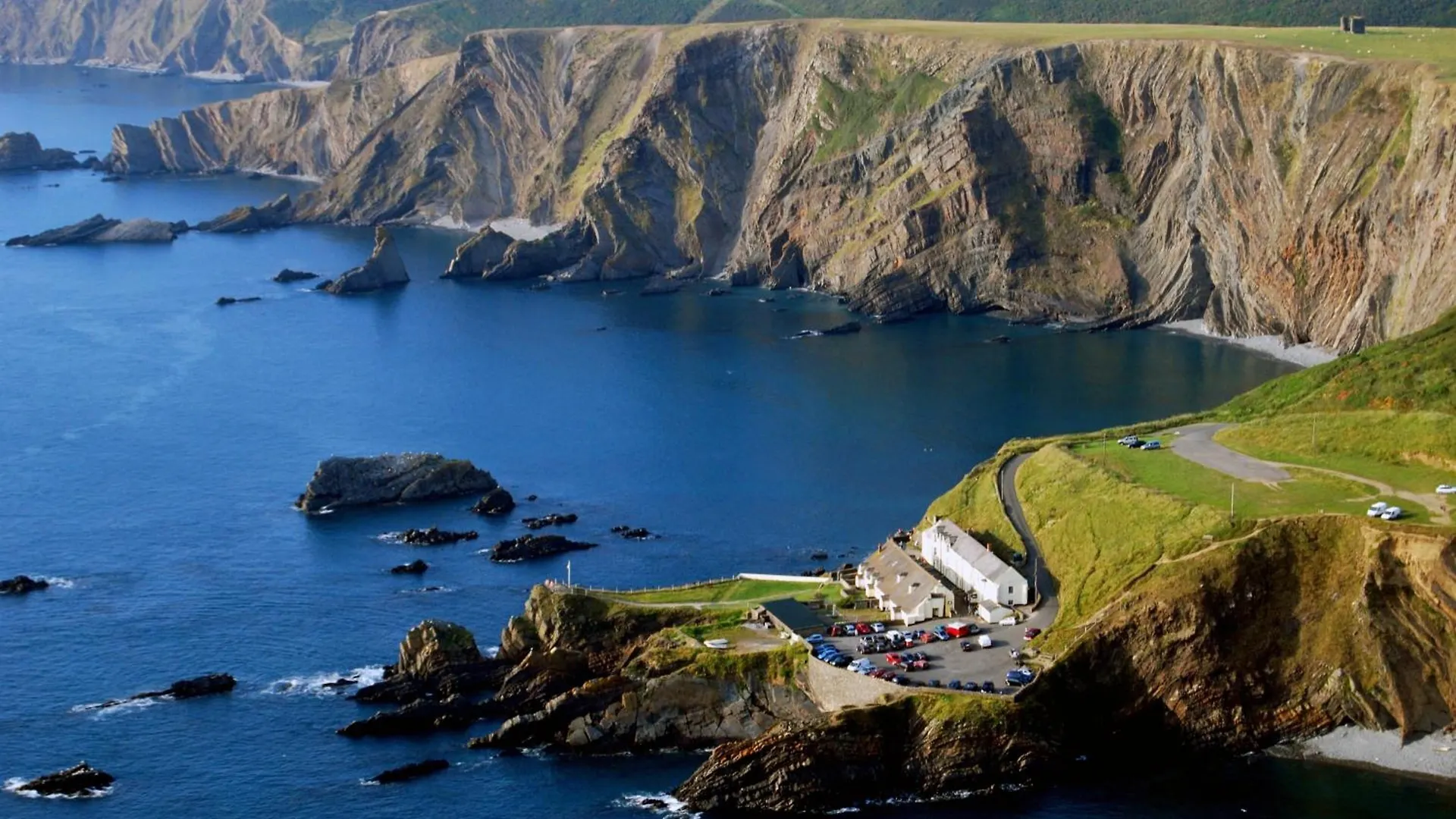
Devon delivers one of England's most varied landscapes - Atlantic coastline to the north, the English Channel to the south, and Dartmoor National Park cutting through the middle. These 7 three-star hotels are spread across that geography, from cliffside coastal properties to village inns near the moors, giving you real options depending on whether you're chasing sea views, walking trails, or rural quiet.
What It's Like Staying in Devon
Devon is one of the UK's largest counties, and that scale shapes how you experience it as a visitor. Getting between key areas takes time - Exeter to Bideford on the north coast is around 50 miles, and rural roads mean journeys run slower than the distance suggests. Most visitors hire a car, as public transport outside Exeter and the main towns is limited and infrequent. Crowds concentrate heavily in summer, particularly around Dartmouth, Torquay, and the Jurassic Coast-adjacent south Devon villages, while the north Devon coast and inland areas stay quieter even in August.
Devon suits travellers who want an immersive countryside or coastal experience over a city break. If you need fast connectivity, multiple restaurant options within walking distance, or easy day-trip access to major UK cities, a base in Exeter or Bristol serves better. But for landscape, walking, wildlife, and traditional English pub culture, Devon is genuinely hard to match.
Pros:
- Exceptional variety of landscapes within one county - Atlantic coast, moor, estuary, and sandy beaches all accessible by car
- 3-star hotels here frequently include free parking, which saves significantly compared to city-centre stays elsewhere in the UK
- Lower visitor density on the north Devon coast and Dartmoor compared to the heavily touristed south Devon resorts
Cons:
- A car is essentially non-negotiable for exploring beyond the immediate town or village of your hotel
- Rural properties can feel isolated in winter, with limited dining and activity options outside the hotel
- Mobile signal and broadband reliability drop noticeably in coastal and moorland areas
Why Choose 3-Star Hotels in Devon
Three-star hotels in Devon occupy a practical sweet spot: they consistently include free parking (a genuine cost-saver in a car-dependent county), on-site bars and restaurants using local produce, and en suite rooms with the basics done reliably. Unlike self-catering cottages, they give you flexibility around meals without the premium of a 4-star country house hotel. Prices at 3-star Devon hotels typically run around £90 per night outside peak summer, making them considerably more accessible than comparable-quality stays in Cornwall or the Cotswolds.
The trade-off is room size. Many 3-star properties here are converted historic buildings - inns, coaching houses, or quayside hotels - where character comes at the cost of standard hotel room dimensions. Expect cosy rather than spacious, and check room-specific layouts if travelling with luggage-heavy itineraries. Noise can be a factor in bar-attached inn properties, particularly on Friday and Saturday nights when locals use the pub downstairs.
Pros:
- Free on-site parking included at most Devon 3-star hotels, eliminating the daily parking costs common in resort towns
- On-site restaurants frequently source local fish, meat, and dairy - a meaningful quality advantage over budget chains
- Historic inn buildings give genuine regional character that branded 3-star chains in cities rarely offer
Cons:
- Converted historic buildings often have irregular room sizes and layouts - some rooms are noticeably smaller than others in the same property
- Pub-attached inns can generate noise on weekend evenings, affecting guests in ground-floor or bar-adjacent rooms
- Facilities for disabled guests vary widely between properties; always confirm access details before booking
Practical Booking & Area Strategy for Devon
Devon divides naturally into three booking zones, and your base choice determines what's genuinely accessible. North Devon - centred on Bideford, Appledore, and Hartland - gives access to the dramatic Atlantic coastline, the Tarka Trail cycling route, Clovelly village, and ferry links to Lundy Island. It's quieter than south Devon, better for walkers and cyclists, and less congested in July and August. South Devon, around Paignton and the Torbay area, puts you within reach of Dartmouth, Totnes, and Torquay's Victorian seafront, but traffic on the A380 through Torbay moves slowly in summer. Dartmoor sits centrally and suits travellers who want moorland walking, pub culture, and quick access to both coasts without committing to either.
Exeter is Devon's transport hub - trains connect to London Paddington in around 2 hours, and the M5 motorway makes the county accessible from Bristol and the Midlands. If you're flying into Exeter Airport, note that car hire availability is strong but should be booked well ahead for July and August arrivals. Peak season in Devon runs from late July through to early September, when coastal properties book out weeks in advance and rates spike noticeably. Booking at least 6 weeks ahead for summer is strongly recommended. Popular attractions include Dartmoor National Park, the South West Coast Path, Hartland Quay, Buckland Abbey, and the Tarka Trail - plan your base around the two or three you most want to reach without long daily drives.
Best Value Stays
These properties offer strong location credentials, honest facilities, and reliable value - particularly suited to travellers who want character and convenience without premium pricing.
-
1. Hartland Quay Hotel
Show on map


Just a few rooms left at the best rate!
fromUS$ 182
-
2. The Bradworthy Inn
Show on map


Just a few rooms left at the best rate!
fromUS$ 128
-
3. Dartbridge Inn By Greene King Inns
Show on map


Hurry – almost gone at this price!
fromUS$ 81
- Show on map
Best Premium Options
These three properties bring stronger location credentials, notable historic character, or standout dining - worth the step up if those factors align with your trip priorities.
-
1. The Royal Hotel
Show on map


Hurry – almost gone at this price!
fromUS$ 156
-
6. The Royal George
Show on map


Rooms filling fast – secure the best rate!
fromUS$ 193
-
7. Redcliffe Hotel
Show on map


Rooms filling fast – secure the best rate!
fromUS$ 200
Smart Timing & Booking Advice for Devon
Devon's tourism calendar is sharply seasonal. July and August drive peak demand, particularly at coastal properties - Hartland Quay, Appledore, and Paignton hotels regularly fill weeks ahead during school holidays. Prices at 3-star coastal hotels can rise around 40% above their off-peak rates during this window. If your dates are flexible, late May to mid-June offers reliably good weather with lower rates and manageable crowds; September is arguably the best month to visit, with warm sea temperatures, clear skies, and a visible drop in visitor numbers after the school holiday period ends.
Dartmoor and inland properties - the Dartbridge Inn and Bradworthy Inn - are less affected by coastal peak season pricing and stay accessible on shorter notice. Booking 6 weeks ahead is the minimum for any coastal Devon property in summer; for everything else, 2 to 3 weeks ahead is typically sufficient outside peak school holidays. Winter stays in Devon are genuinely quiet and atmospheric - particularly around Dartmoor - but confirm that on-site restaurants are operating reduced hours before committing, as some rural properties scale back food service significantly between November and March. A stay of 3 nights is the practical minimum for Devon; shorter visits rarely allow enough driving time to cover the county's spread without the trip feeling rushed.