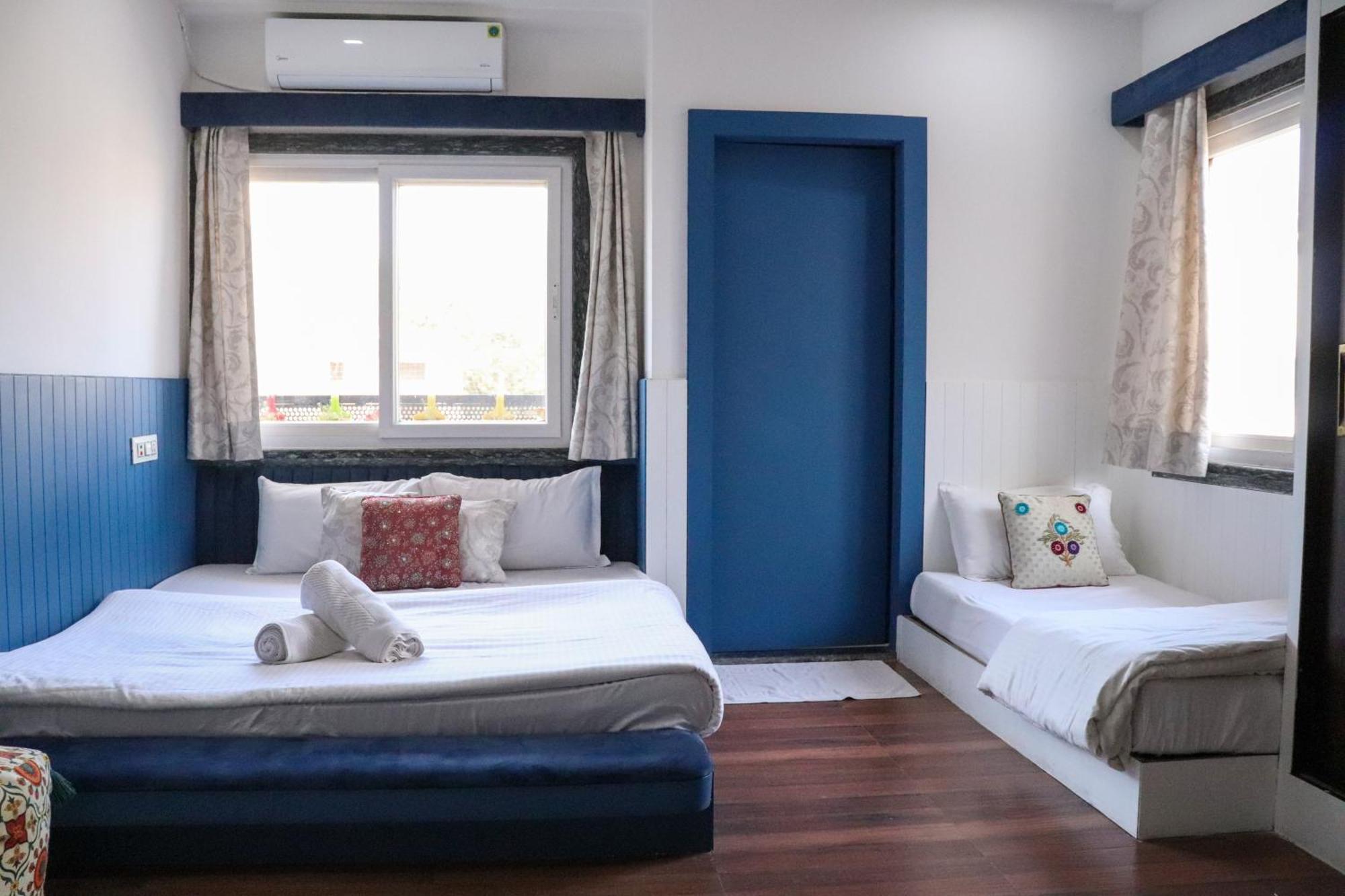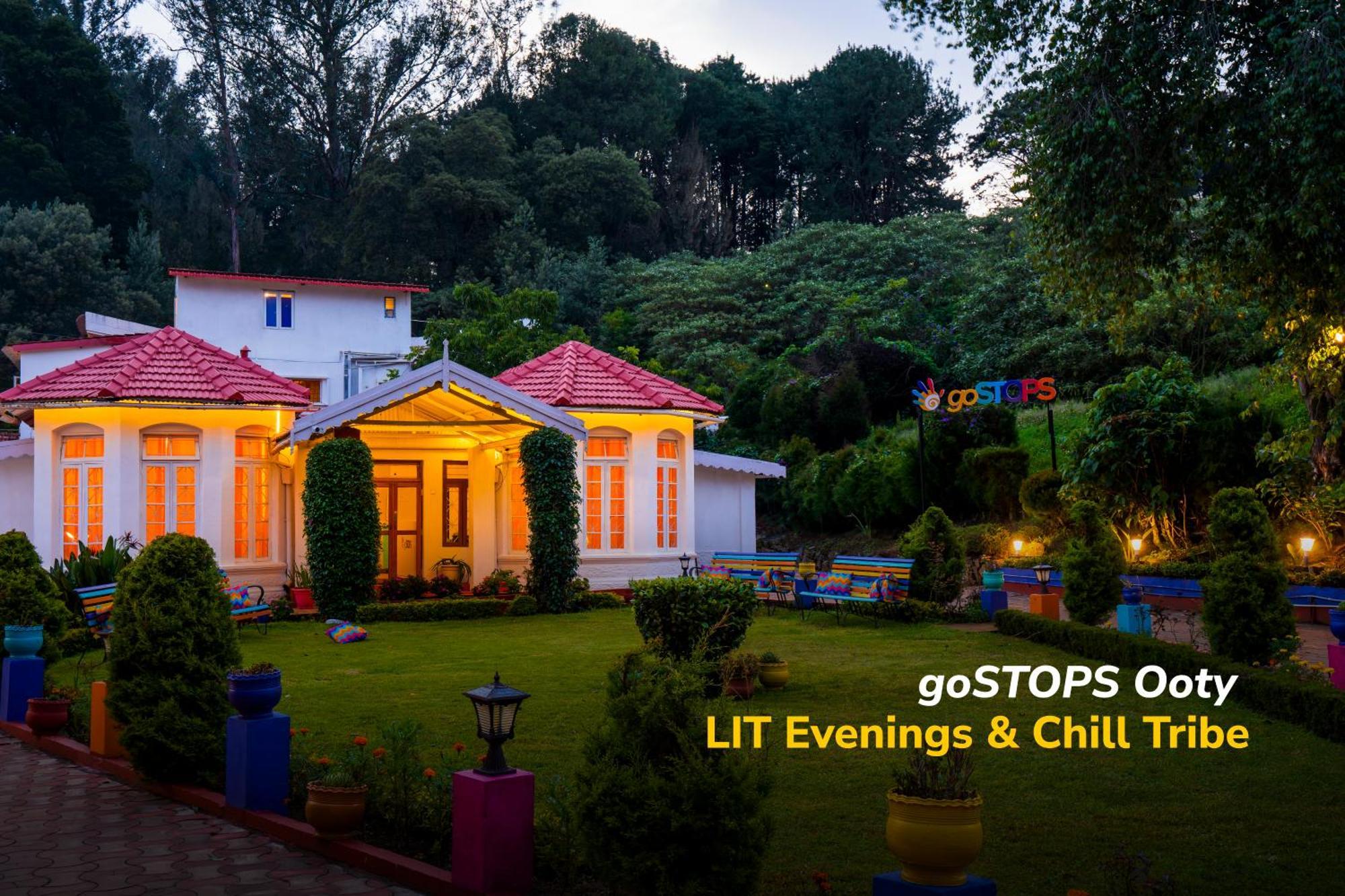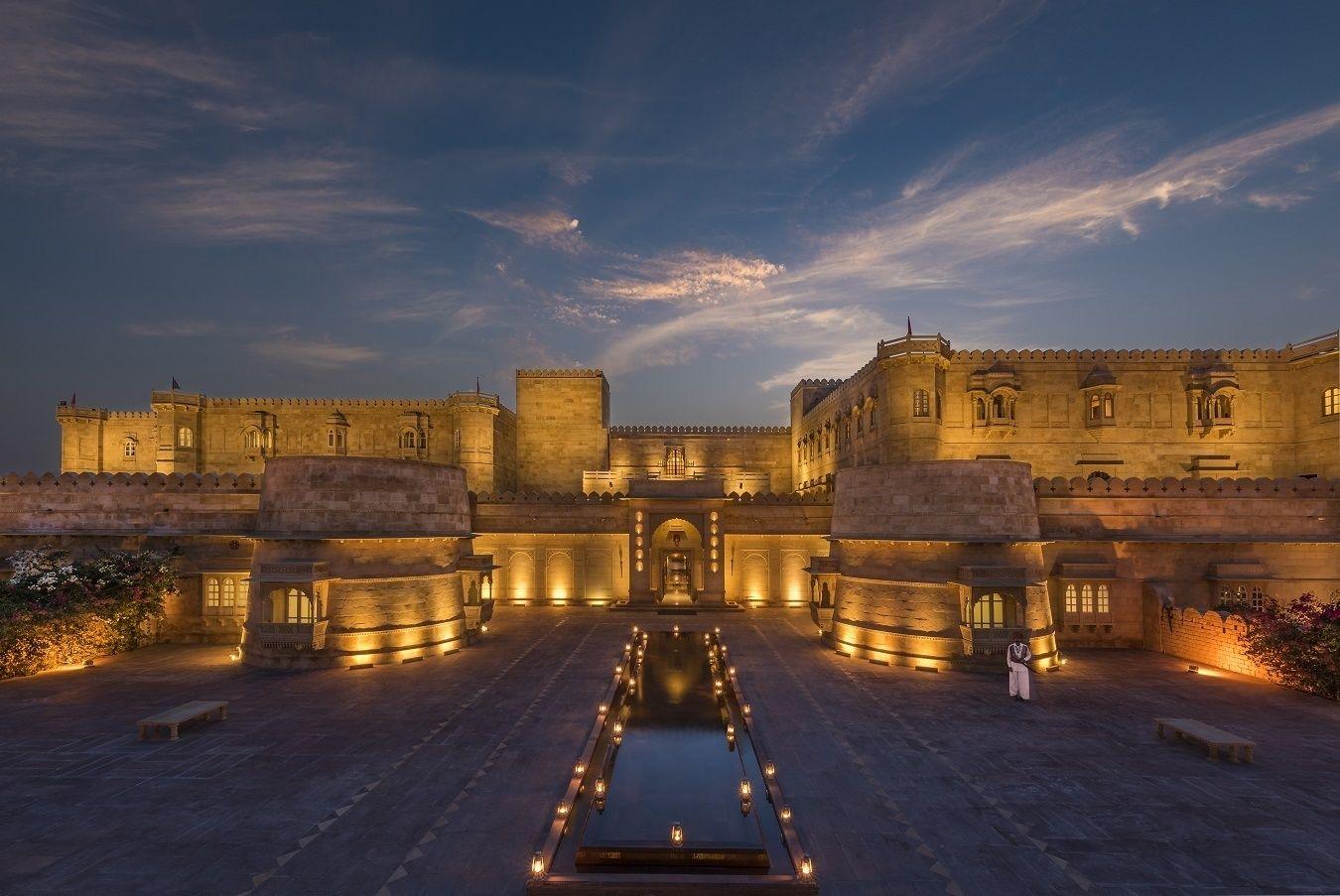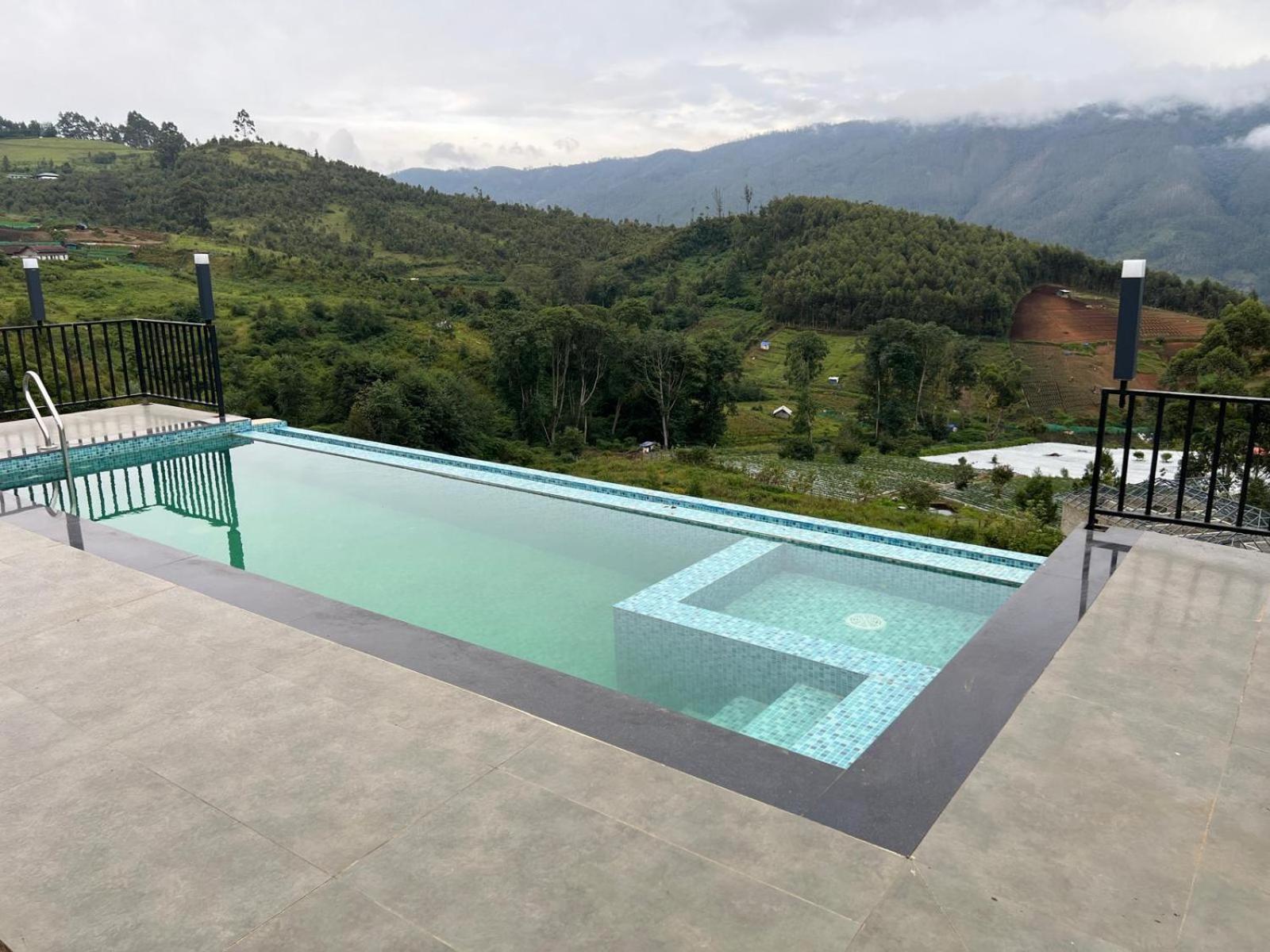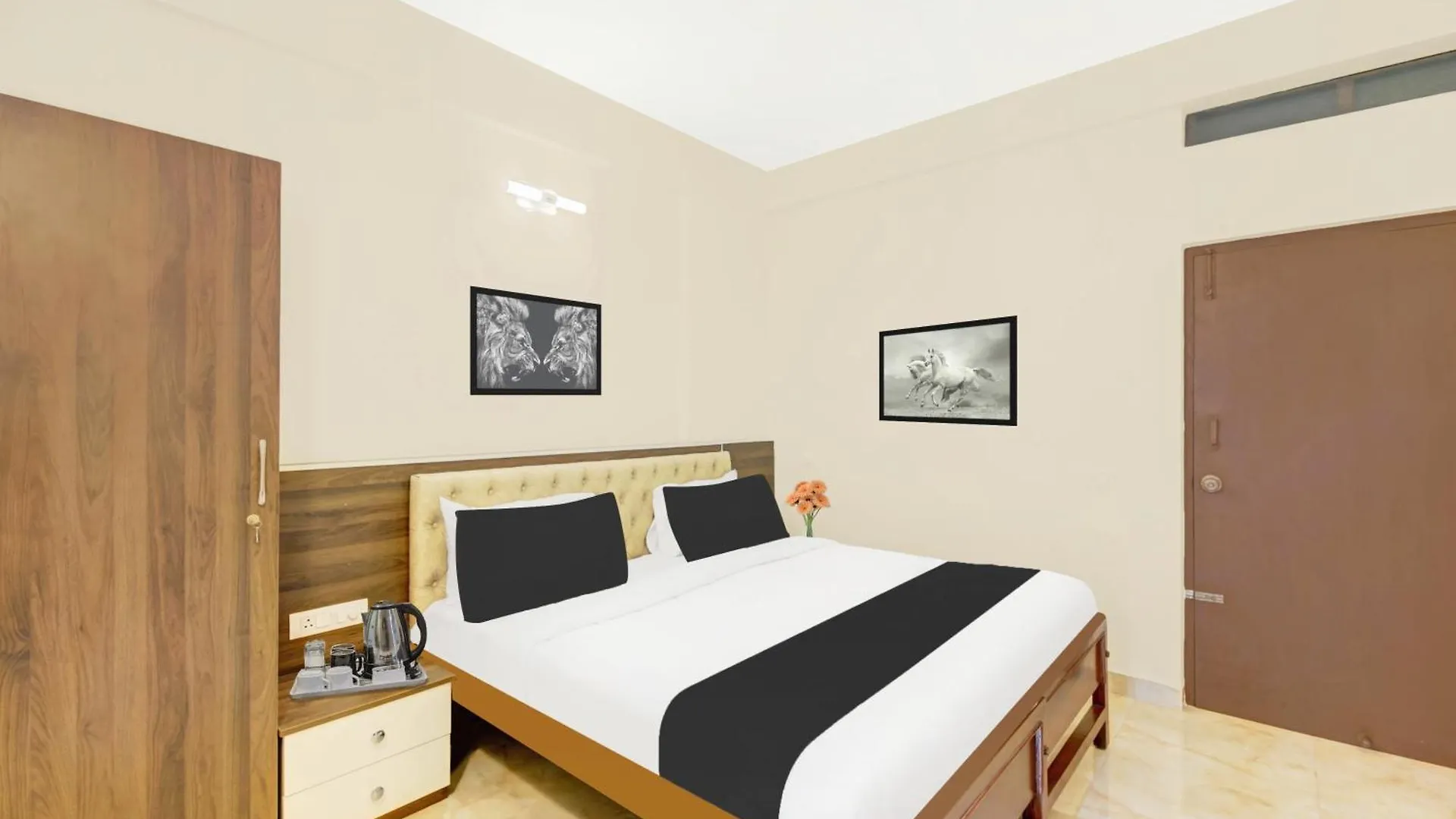
India's hotel landscape spans Himalayan mountain cottages, Rajasthan desert camps, temple-city guesthouses, and 5-star resorts overlooking the Sikkim hills - all within one country. This guide covers 12 hotels with strong overall user ratings across vastly different regions, giving you a concrete starting point whether you're planning a wildlife circuit in Karnataka, a heritage route through Rajasthan, or a hill station escape in the Nilgiris.
What It's Like Staying in India
India demands logistical preparation more than most destinations. Distances between regions are enormous - a single state like Rajasthan is larger than Germany - so where you stay directly determines what you can realistically visit. Train and road travel dominate domestic movement, and many top attractions sit far from major airports, making hotel location a strategic decision, not just a comfort one. Crowd density varies sharply: popular sites like Varanasi or Jaipur's old city see dense foot traffic year-round, while destinations like Chopta in Uttarakhand or Coorg in Karnataka remain relatively uncrowded even in peak months.
Travelers who want diverse landscapes - desert, jungle, mountains, coastline, and UNESCO heritage sites - within one trip benefit enormously from India's geographical spread. Those expecting Western-standard infrastructure uniformly across all regions may find the contrast between city hotels and remote camp stays significant. Around 60% of India's most rewarding experiences require staying outside major metro areas.
Pros:
- Exceptional geographic and cultural variety - no two regions deliver the same experience
- Strong value across all hotel tiers compared to equivalent properties in Europe or Southeast Asia
- A well-developed boutique and heritage property market in Rajasthan, the Himalayas, and the Western Ghats
Cons:
- Road transfers to remote hotels (Chopta, Sam Sand Dunes, Coorg) can exceed 4 hours from the nearest airport
- Air quality in northern Indian cities (Delhi, Agra, Varanasi) deteriorates significantly between October and February
- Vegetarian-only dining policies apply at many heritage and resort properties, particularly in Gujarat and parts of Rajasthan
Why Choose Highly Rated Hotels in India
Hotels with strong overall user ratings in India tend to outperform starred classifications in one key way: guest scores here factor in service attentiveness and staff interaction more heavily than in Western markets, which means a well-rated 3-star property in Manali or Deoghar can deliver a more memorable stay than a larger chain hotel with indifferent service. Price gaps between rated boutique properties and 5-star branded hotels can reach around 70%, yet reviewers frequently score the smaller properties higher for overall experience. Room sizes at rated mid-range hotels in smaller cities like Virajpet or Ooty typically run larger than equivalent-priced rooms in Mumbai or Bengaluru.
The trade-off is consistency: a highly rated camp in Sam, Rajasthan, will score well on atmosphere and cultural immersion but will not offer the same fitness or business amenities as a Vivanta or Taj property. Matching your rating-weighted hotel choice to your specific travel purpose - remote nature stay vs. city transit hub vs. long-stay comfort - is the core decision. India's rated boutique segment is strongest in Rajasthan, the Himalayas, and the Nilgiri Hills.
Pros:
- Rated properties in tier-2 cities and nature zones consistently offer larger rooms and more personalized service than urban chain hotels
- Strong value-to-rating ratio across mountain, desert, and forest destinations
- Many top-rated smaller hotels include free breakfast, free parking, and guided local activities not available at larger properties
Cons:
- Highly rated remote properties (desert camps, mountain cottages) often have limited or no in-room connectivity
- Food options outside the hotel are restricted near many highly rated nature-zone stays
- Cancellation flexibility is narrower at boutique and camp-style properties than at chain hotels
Practical Booking & Area Strategy for India
India's geography creates distinct hotel zones that serve different travel purposes. Rajasthan (Jaisalmer, Jodhpur, Udaipur) anchors the heritage and desert circuit, with the Sam Sand Dunes near Jaisalmer being the best-value entry point for desert camp experiences - these book out completely between November and February, India's peak domestic travel season. The Himalayan corridor from Manali to Chopta suits trekkers and nature travelers, with Chopta in Uttarakhand providing direct access to Tungnath - the world's highest Shiva temple at 3,680 meters - and Manali serving as a base for Rohtang Pass and Solang Valley. Southern India offers year-round accessibility: Ooty and Coorg in the Western Ghats maintain cooler temperatures even in summer, while Chennai acts as a transit hub for Tamil Nadu temple circuits.
For Northeast India, Shillong in Meghalaya and Gangtok in Sikkim require advance planning - Inner Line Permits are mandatory for Sikkim for non-Indian nationals, and Bagdogra Airport (the nearest major airport to Gangtok) sits around 115 km away, making transport logistics critical. Gujarat's Ahmedabad is best visited between November and March, avoiding the intense heat that pushes above 40°C in May and June. Deoghar in Jharkhand is primarily a pilgrimage destination centered on the Baidyanath Jyotirlinga temple - its hotel demand spikes sharply during the Shravan month (July-August).
Budget & Mid-Range Picks Across India
This group covers rated properties that deliver strong guest satisfaction at accessible price points, spread across Karnataka, Tamil Nadu, Himachal Pradesh, Uttarakhand, Uttar Pradesh, and Jharkhand - giving solid options for travelers building a multi-region India itinerary.
-
1. Super Collection O Virajpet City Centre Formerly The Fort Mercara
Show on map


 Check-infrom 12:00 until 23:59Check-outuntil 11:00
Just a few rooms left at the best rate!
fromINR 6771
- Show on map
Best price guarantee
- Show on map
Best price guarantee
- Show on map
Best price guarantee
-
5. Rudra Camp Chopta
Show on map


 Check-infrom 12:00 until 21:00Check-outfrom 10:00 until 11:00
Just a few rooms left at the best rate!
fromINR 5436
- Show on map
Best price guarantee
- Show on map
Best price guarantee
-
8. Geetanjali International Annex A Unit Of Geetanjali International
Show on map


 Check-infrom 13:30 until 14:00Check-outfrom 09:00 until 11:00
Just a few rooms left at the best rate!
Premium & Resort Picks Across India
This group covers properties at the higher end of the selection - a Rajasthan luxury boutique resort, a desert camp with cultural immersion, and two full-service resort properties in Ahmedabad and Sikkim - all with strong user ratings and distinct experiential positioning.
-
1. Hukamgarh - A Luxury Boutique Resort
Show on map


 Check-infrom 14:00 until 23:59Check-outuntil 11:00
Hurry – almost gone at this price!
fromINR 7915
-
2. Bhati Desert Camp Sam
Show on map


 Check-infrom 09:00 until 22:00Check-outuntil 09:00
Hurry – almost gone at this price!
fromINR 6294
-
3. Radhe Upavan Resort
Show on map


 Check-infrom 12:00 until 13:00Check-outuntil 10:00
Rooms filling fast – secure the best rate!
fromINR 5245
-
12. Vivanta Sikkim Pakyong
Show on map


 Check-infrom 14:00 until 23:59Check-outuntil 12:00
Rooms filling fast – secure the best rate!
fromINR 16212
Smart Travel & Timing Advice for India
India's travel calendar is not uniform - optimal timing varies significantly by region. October to March is the national peak season for Rajasthan, Gujarat, Tamil Nadu, and Karnataka, when temperatures are manageable and outdoor activities are viable. Himalayan destinations like Manali and Chopta operate on a different schedule: May to June and September to October are the trekking sweet spots, while winter snowfall closes roads to Rohtang and the Chopta-Tungnath trail from December through March. Northeast India (Shillong, Sikkim) is best visited between March and May or October to November - the monsoon from June to September brings extreme rainfall, particularly in Meghalaya, which records among the highest annual precipitation on Earth.
Booking lead times matter more in India than most travelers expect. Desert camps at Sam, Rajasthan's heritage boutique resorts, and Vivanta Sikkim Pakyong book out weeks ahead for the October to February window. Last-minute rates at these properties rarely drop - demand consistently absorbs supply. Booking around 8 weeks ahead for peak-season travel to Rajasthan and Sikkim is the practical minimum. For Deoghar during Shravan, Ooty during Tamil Nadu school holidays (April-May), and Manali during the June long weekends, demand spikes are sharp and short-notice availability disappears entirely. Off-season travel to southern destinations like Ooty and Coorg (June to August) can yield rate reductions of around 30%, with less crowding at waterfalls and tea estates - the trade-off being occasional heavy rain.