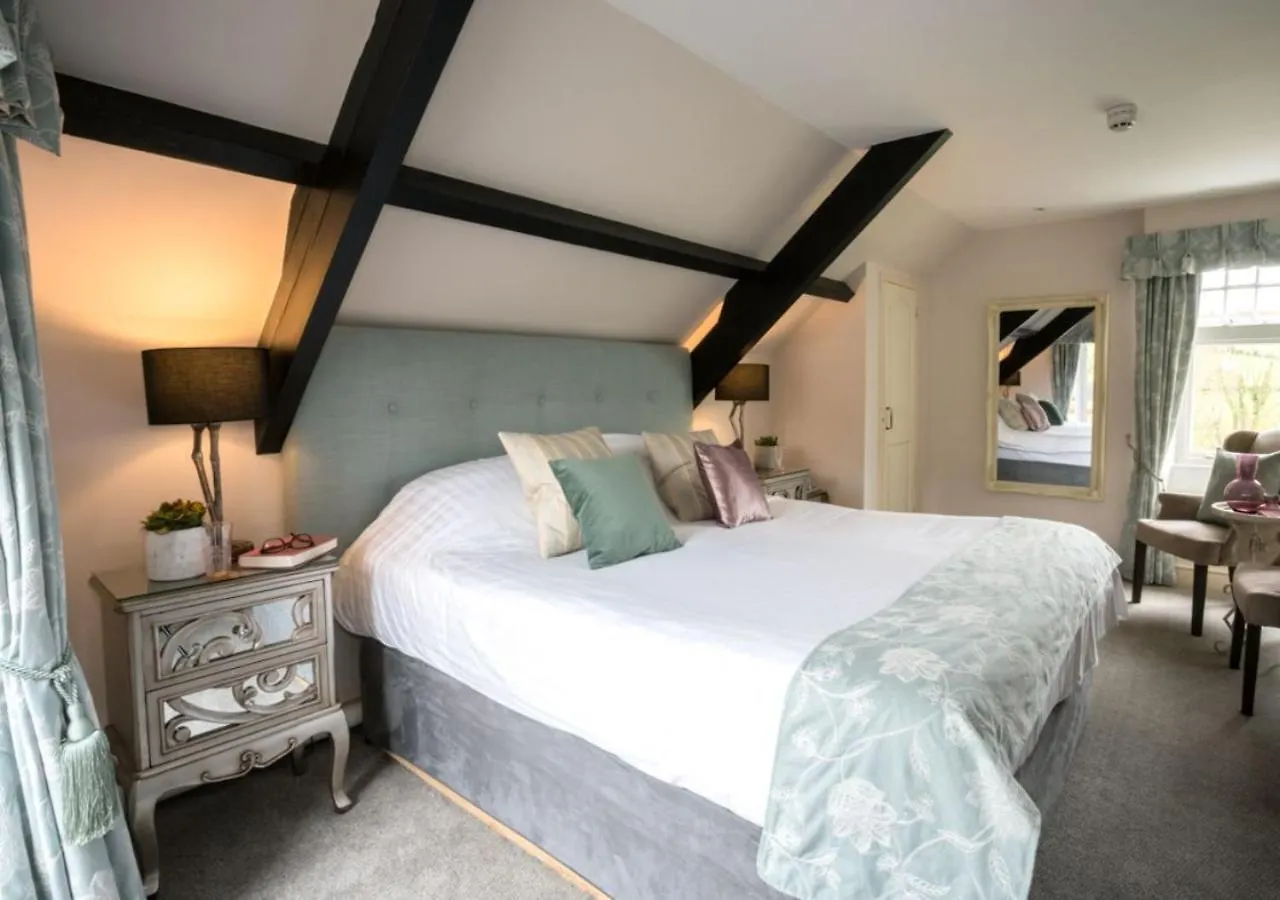
England offers an extraordinary range of places to stay, from centuries-old coaching inns in the Cotswolds to sleek luxury aparthotels in Leeds city centre. These 7 hotels stand out for consistently high guest ratings, each delivering a distinct experience tied to its specific location - whether that's a Dartmoor valley retreat, a Shakespearean heritage town, or a Georgian townhouse steps from Cheltenham's parklands. This guide cuts through the noise to help you compare, choose, and book the right property for your trip across England.
What It's Like Staying in England
England is a country where a 30-minute train ride can take you from a buzzing city centre to open moorland or a medieval market town. Transport connectivity varies sharply by region - cities like Leeds and Oxford have strong rail links, while rural destinations such as Chagford near Dartmoor or Long Compton in the Cotswolds require a car for practical movement. Crowd patterns depend heavily on location: coastal towns like Whitby peak hard in July and August, while Stratford-upon-Avon sees Shakespeare-driven visitor surges from spring through autumn. England suits travellers who want cultural depth layered with natural landscapes, but those seeking consistent urban convenience may find rural stays limiting without their own transport.
Pros:
- Exceptional variety of accommodation settings - national parks, heritage cities, and coastal towns all within a compact geography
- Strong food culture at property level - around half of highly rated English hotels feature AA Rosette or Michelin-recognised dining on site
- Rich historical context in every region, making the stay itself part of the experience
Cons:
- Rural hotels often require a hire car - public transport to destinations like Dartmoor or the Cotswolds is limited
- English weather is unpredictable year-round, which affects outdoor activities tied to many countryside stays
- Peak-season pricing in popular areas such as the Cotswolds and Whitby can make good-value rooms scarce without early booking
Why Choose Highly Rated Hotels in England
Hotels with strong overall guest scores in England typically earn that status through a combination of location specificity, quality food and drink, and character-driven interiors rather than generic chain amenities. Highly rated independent hotels in England often outperform branded chains on atmosphere, breakfast quality, and personalised service - three factors that consistently drive top review scores. In practical terms, these properties range from boutique Georgian townhouses to historic inns with working fireplaces, and they tend to attract guests who value experience over square footage. Rooms at independently operated, high-rated English hotels can average around 20% higher nightly rates than standard three-star options in the same area, but the trade-off is significantly stronger guest satisfaction, on-site dining, and a sense of place that chain hotels rarely replicate.
Pros:
- On-site restaurants at these properties frequently use locally sourced, seasonal produce - a genuine differentiator from budget options
- Free parking is included at the majority of rural and semi-rural high-rated hotels in England, offsetting car hire costs
- Many properties in this category are housed in listed or heritage buildings, adding cultural value beyond the room itself
Cons:
- Smaller room counts mean availability disappears quickly during bank holidays and local events
- Some historic properties have limited accessibility infrastructure despite good overall ratings
- Premium-rated hotels in tourist hotspots like Stratford-upon-Avon or Oxford can feel crowded during peak season regardless of hotel quality
Practical Booking & Area Strategy
England's top-rated hotels are spread across distinct micro-regions, and choosing where to base yourself directly affects what you can access without a car. Oxford and Leeds are the strongest urban bases - both have mainline rail stations, walkable city centres, and hotels within minutes of key attractions. Stratford-upon-Avon works well as a self-contained cultural destination where everything from the Royal Shakespeare Theatre to Shakespeare's birthplace is walkable from a central hotel. For Dartmoor and Cotswolds stays, a car is non-negotiable - but the payoff is access to some of England's most scenic landscapes with significantly less tourist congestion than city-centre equivalents. Whitby on the North Yorkshire coast operates on a strong seasonal rhythm; book at least 6 weeks ahead for summer visits, as the town's limited hotel stock fills rapidly. Cheltenham is worth considering during non-race periods for better pricing, with Pittville Park and the Montpellier district providing genuine local character beyond the racecourse calendar.
Best Value Stays
These hotels deliver high guest satisfaction scores anchored in strong location credentials, quality food, and distinctive character - without the premium pricing of the largest properties in their respective areas.
-
1. Mill End Hotel
Show on map


Just a few rooms left at the best rate!
fromUS$ 239
-
2. The Red Lion Inn
Show on map


Just a few rooms left at the best rate!
fromUS$ 306
-
3. Bagdale Hall
Show on map


Just a few rooms left at the best rate!
fromUS$ 218
-
4. No38 The Park
Show on map


Hurry – almost gone at this price!
fromUS$ 177
Best Premium Stays
These three properties represent the upper tier of highly rated hotels in England - each offering a distinct combination of heritage setting, design-led interiors, and facilities that justify a higher nightly investment.
-
5. Quebecs Luxury Apartments
Show on map


Hurry – almost gone at this price!
fromUS$ 257
-
6. Hotel Indigo - Stratford Upon Avon By Ihg
Show on map


Rooms filling fast – secure the best rate!
fromUS$ 140
-
7. Old Parsonage Hotel
Show on map


Rooms filling fast – secure the best rate!
fromUS$ 318
Smart Travel & Timing Advice for England
England's travel calendar creates significant pricing and availability differences depending on when and where you book. Summer (July-August) pushes coastal destinations like Whitby to near-full capacity, with room rates climbing sharply and availability tightening weeks in advance - book at least 6 weeks ahead for any Whitby stay in this window. Cheltenham Racecourse events, particularly the Gold Cup in March and the Festival in November, create localised demand spikes that affect No38 The Park and surrounding properties significantly. Oxford and Leeds maintain more consistent year-round demand due to academic and business calendars, but university graduation periods in June and July create brief availability crunches. For Cotswolds destinations including Long Compton, late spring (May-June) and early autumn (September-October) offer the best combination of weather, landscape colour, and manageable visitor numbers. Dartmoor and the Teign Valley are quietest in November through February - Mill End Hotel's restaurant remains a draw even in low season, making it a viable off-peak choice for food-focused travellers. For most English destinations in this guide, 2 nights is the practical minimum to absorb the surroundings, while 3 nights allows a meaningful itinerary without feeling rushed.