The Peak District spans around 1,440 square kilometres across Derbyshire, Staffordshire, and the fringes of Greater Manchester, making it England's first and most visited national park. Whether you're based in a market town like Ashbourne, a gateway village like Castleton, or a border town like Glossop, the right 4-star hotel here acts as a proper base - not just a place to sleep. This guide compares six four-star-standard properties across the region to help you decide where to stay based on location, access, and what each property actually delivers.
What It's Like Staying in the Peak District
The Peak District is not a single destination - it's a network of small towns, moorland villages, and historic estates spread across multiple counties. Most visitors use a car, as public transport between villages is limited and infrequent. Glossop and Ashbourne are among the most practical bases, offering easier road access to both the national park interior and nearby cities. Staying within or on the boundary of the national park puts you closer to walking trails, cycling routes, and landmarks like Chatsworth House and Castleton's cave network, but it also means fewer dining options and quieter nights - which suits some travellers well and others less so.
Pros:
- Direct access to major hiking and cycling routes without needing to drive into the park each day
- Less urban noise and light pollution, with genuinely rural surroundings even from well-positioned hotels
- Properties in gateway towns like Glossop sit within around 30 minutes of Manchester, giving urban flexibility
Cons:
- Car dependency is near-total - without a vehicle, mobility between attractions is severely restricted
- Evening dining options in smaller villages are limited, especially outside peak tourist months
- Mobile signal and internet connectivity can be unreliable in the more rural parts of the park
Why Choose a 4-Star Hotel in the Peak District
Four-star accommodation in the Peak District typically means country inns and rural B&Bs with upgraded room finishes - expect en suite bathrooms, quality bedding, on-site dining, and character features like exposed stone or period furniture rather than the corporate uniformity of urban four-star chains. Prices for this tier in the Peak District tend to be notably more competitive than equivalent-rated properties in city centres, with nightly rates often sitting well below comparable urban hotels. The key trade-off is convenience: these properties offer atmosphere and proximity to the landscape, but fewer of the standard hotel services - like 24-hour reception or room service - that urban four-star guests typically expect. For walkers, cyclists, and visitors focused on the national park itself, this category delivers high comfort-to-cost value.
Pros:
- Country inns and rural guesthouses at four-star level frequently include full breakfast, free parking, and bar access - costs that stack up fast at city hotels
- Room quality in this category typically includes en suite facilities, flat-screen TVs, and quality toiletries without a premium urban price tag
- Properties in this tier are often family-run, meaning more personalised service and local knowledge about trails and attractions
Cons:
- Spa, gym, and leisure facilities are rare at this level unless explicitly advertised - do not assume standard hotel amenities
- Room counts are small, meaning availability during bank holidays and summer weekends disappears fast
- Some properties operate limited check-in windows, requiring coordination that urban hotels don't demand
Practical Booking & Area Strategy for the Peak District
The Peak District splits broadly into the Dark Peak in the north - accessed from Glossop and Castleton - and the White Peak in the south and east, with Ashbourne and Leek serving as southern entry points. Glossop is the most practical northern base, sitting within a 30-minute drive of both Manchester city centre and Manchester Airport while placing you directly on the edge of the national park. Castleton is deeper inside the park, closer to landmarks like Blue John Cavern and Mam Tor, but the village itself is small and extremely popular in summer. Ashbourne gives access to Dovedale and sits around 34 km from Chatsworth House, making it a logical base for exploring the southern and central peak. The A53 corridor near Leek connects quickly to Buxton, which is itself one of the most visited towns in the region. Book at least 8 weeks ahead for stays between late May and early September, particularly for properties with fewer than 15 rooms, as these sell out first during school holiday periods and long weekends.
Best Value Stays
These properties offer strong positioning on the edge of or within the Peak District with solid included amenities, making them the most cost-efficient four-star options across the region.
-
1. Queens Arms Country Inn
Show on map


 Check-infrom 14:00 until 21:00Check-outfrom 07:00 until 10:00
Just a few rooms left at the best rate!
from£ 78
-
2. The Bulls Head
Show on map


 Check-infrom 16:00 until 22:00Check-outfrom 07:00 until 10:00
Just a few rooms left at the best rate!
from£ 102
-
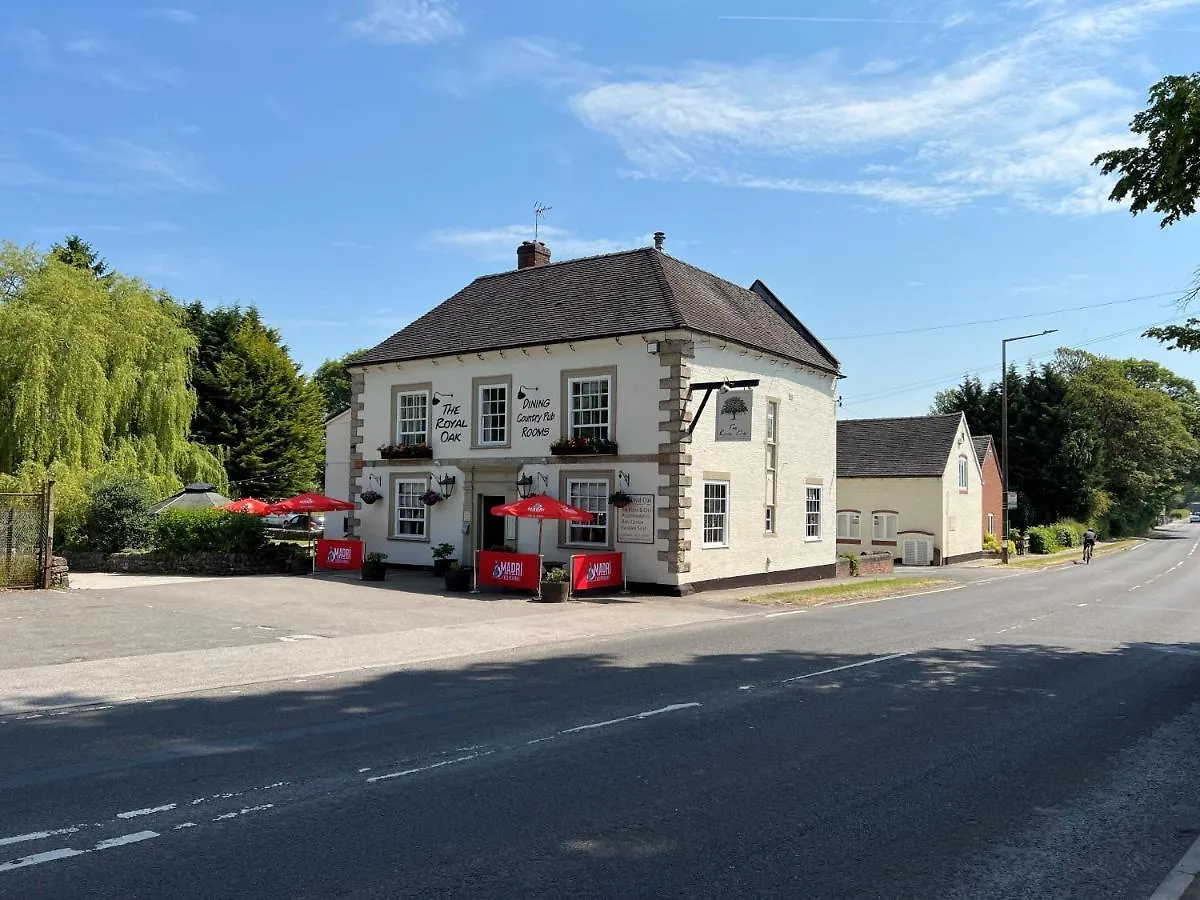
3. The Royal Oak
Show on map


 Check-infrom 14:00 until 22:00Check-outuntil 11:00
Hurry – almost gone at this price!
from£ 80
-
4. Rushop Hall
Show on map


 Check-infrom 15:00 until 23:30Check-outuntil 10:00
Hurry – almost gone at this price!
from£ 153
Best Premium Stays
These properties stand out through enhanced facilities - including spa access, hot tubs, and apartment-style self-catering - making them the stronger choice for travellers prioritising comfort and added amenities over pure value.
-
5. Three Horseshoes Country Inn
Show on map


 Check-infrom 15:00 until 19:00Check-outfrom 08:00 until 11:00
Rooms filling fast – secure the best rate!
from£ 88
-
6. The Nights Away
Show on map


 Check-infrom 15:00 until 22:00Check-outfrom 06:00 until 11:00
Rooms filling fast – secure the best rate!
from£ 45
Smart Travel & Timing Advice for the Peak District
The Peak District sees its heaviest visitor pressure from late May through August, when school holidays, long weekends, and dry weather converge. Castleton and the Hope Valley in particular become congested on summer weekends, with car parks filling by mid-morning. The shoulder months of April and October offer significantly quieter conditions, stable walking weather, and better availability at smaller properties - with rates that can drop noticeably compared to peak summer pricing. Winter stays between November and February are the quietest and cheapest, though some smaller inns reduce their hours or close entirely for maintenance. For most visitors, a stay of 3 nights gives enough time to cover core highlights like Chatsworth House, Mam Tor, Dovedale, and Buxton without rushing. Book at least 8 weeks in advance for any summer weekend stay at properties with fewer than 20 rooms - these sell out reliably and do not return to availability until very close to the date, usually at higher last-minute rates.