Jaipur's 3-star hotel market sits in a strong sweet spot - air-conditioned rooms, reliable amenities, and proximity to the walled city's key monuments, without the inflated rates of heritage palace hotels. This guide covers four vetted properties across different zones of the city, with honest comparisons to help you choose the right base for your trip.
What It's Like Staying in Jaipur
Jaipur is a dense, traffic-heavy city where location matters enormously - the distance between your hotel and the walled city can mean the difference between a relaxed sightseeing morning and an hour lost in auto-rickshaw negotiations. Most of the major monuments cluster within a 3 km radius of the old city (City Palace, Jantar Mantar, Hawa Mahal), but hotels within that zone tend to be noisier and more chaotic. The city operates at a fast pace during the day, with crowds peaking at popular sites between 10am and 2pm - staying slightly outside the walled city, near the airport corridor or C-Scheme, gives you faster access to quieter streets without sacrificing transport links.
Jaipur International Airport sits remarkably close to the hotel belt, making it a practical entry point for domestic connections from Delhi or Mumbai - many travelers use Jaipur as a 2-night base within a wider Rajasthan itinerary.
Pros:
Compact monument cluster - City Palace, Amber Fort, and Jantar Mantar are all within around 15 km of most 3-star zones
Strong rickshaw and cab infrastructure means you rarely need to walk far in heat
Airport is unusually close to the main hotel corridor, cutting transfer times significantly
Cons:
Traffic congestion in the old city area can make short distances feel very long during peak hours
Street noise at night is common in budget and mid-range zones near bazaars
Summer heat (April-June) makes outdoor exploration genuinely difficult without midday rest breaks
Why Choose a 3-Star Hotel in Jaipur
In Jaipur, the 3-star category delivers a reliable combination of air conditioning, private bathrooms, and on-site breakfast - essentials in a city where summer temperatures regularly exceed 40°C. 3-star hotels here typically cost around 40% less than heritage havelis or 4-star properties, while still offering private parking, 24-hour reception, and room service that budget guesthouses rarely provide. The trade-off is that 3-star hotels in Jaipur are generally located just outside the most atmospheric old-city lanes, meaning you'll use transport to reach the main bazaars - but that's also what keeps the rooms quieter and the prices grounded.
For first-time visitors doing a Rajasthan circuit, 3-star properties near the airport corridor provide the most logistical efficiency - quick arrivals, easy departures, and AC rooms to recover in after full-day monument tours.
Pros:
Consistent room quality - AC, private bathroom, flat-screen TV, and in-room fridge are standard at this tier
On-site restaurants and breakfast included in many properties, reducing daily planning overhead
Free parking available at most 3-star hotels, important if you're hiring a car for Amber Fort day trips
Cons:
Rooms are functional but rarely architecturally distinctive - you won't get the carved sandstone interiors of heritage hotels
Common areas can feel dated compared to boutique competitors at similar price points
Fewer wellness facilities - most 3-star hotels in Jaipur lack pools or spas
Practical Booking & Area Strategy in Jaipur
Jaipur's hotel zones break down cleanly by purpose: properties near Ajmer Road and the airport belt (Sanganer zone) suit travelers prioritizing logistics and quick departures, while hotels around C-Scheme and MI Road offer walkable access to upscale restaurants and the New Gate area. For monument-heavy itineraries, positioning yourself within 5 km of Govind Dev Ji Temple puts Amber Fort, City Palace, and Jantar Mantar all within a single auto-rickshaw run. Book at least 6 weeks ahead for the October-February peak season - Jaipur's 3-star rooms fill fast during the Jaipur Literature Festival (late January) and around Diwali, when rates spike noticeably. The metro line (opened progressively since 2015) connects Mansarovar in the west to Chandpole near the old city, useful if your hotel sits along that corridor. For Amber Fort day trips, budget around 45 minutes each way from the city center by road. Top attractions beyond the monuments include Nahargarh Fort at sunset, the textile bazaars of Bapu Market on Nehru Bazaar Road, and the Albert Hall Museum on Ram Niwas Garden Road.
Best Value Stays
These properties deliver the strongest combination of location, facilities, and price for travelers who want reliable comfort without overpaying in Jaipur's competitive 3-star market.
-
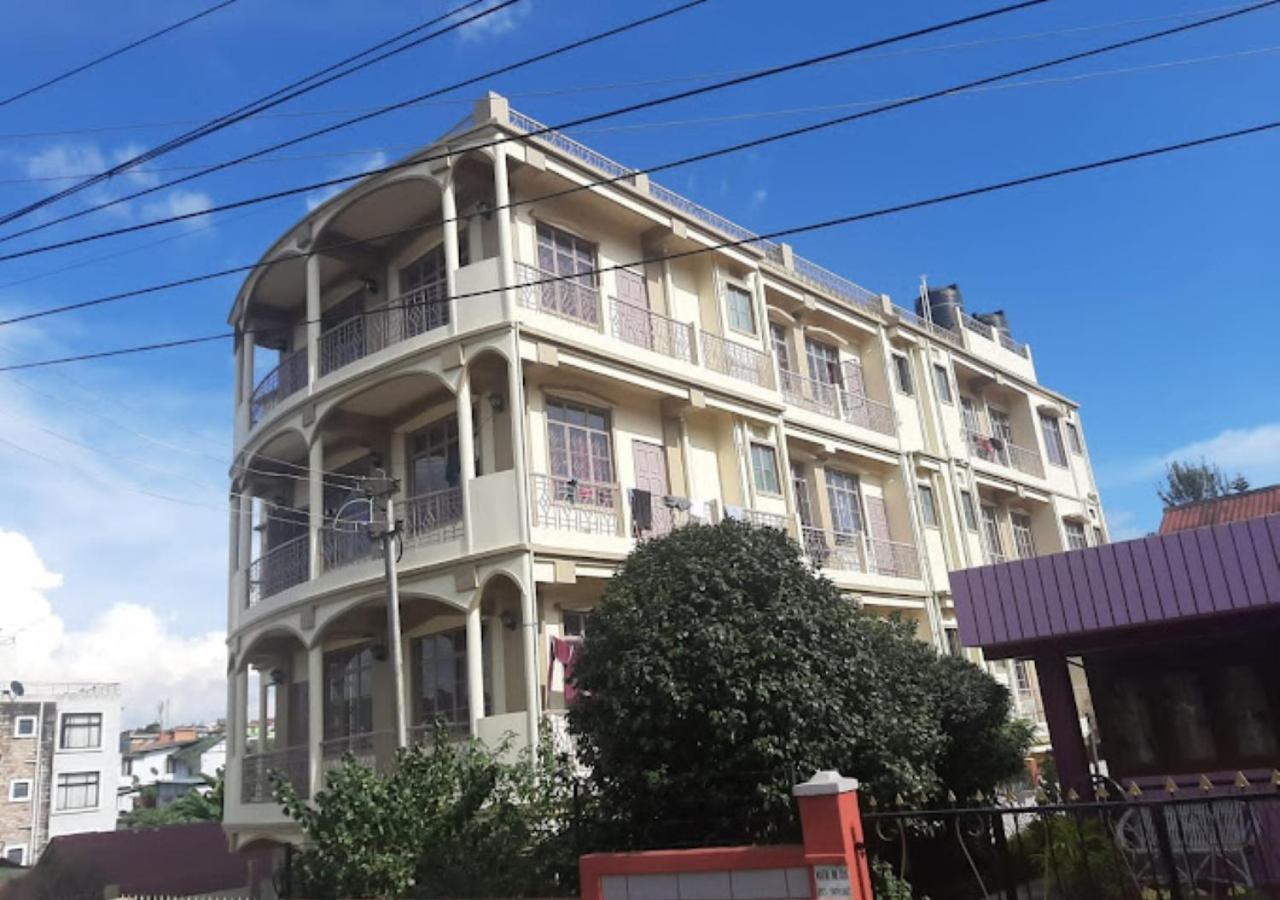
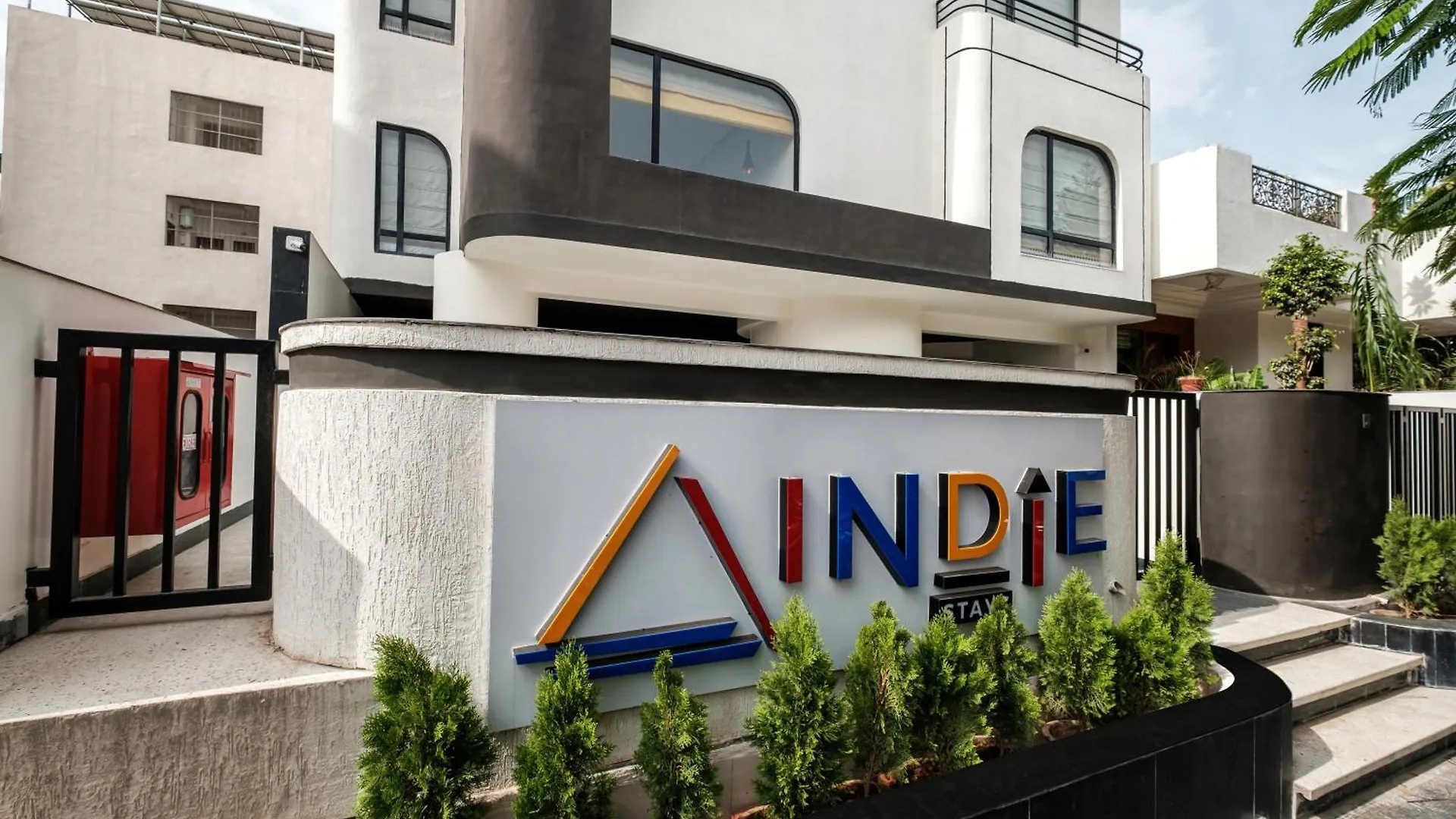
1. Indie Stays Jaipur
Show on map


 Check-infrom 14:00 until 23:59Check-outuntil 12:00
Just a few rooms left at the best rate!
fromINR 4005
- Show on map
Best price guarantee
Best Premium Option
These properties step up in character, dining, or surroundings - suited to travelers who want more than a functional room and are willing to pay a modest premium for atmosphere or additional facilities.
-
3. Jeenmount Heritage Boutique Hotel-Jln Marg
Show on map


 Check-infrom 12:00 until 23:59Check-outuntil 11:00
Hurry – almost gone at this price!
fromINR 2575
- Show on map
Best price guarantee
Smart Travel & Timing Advice for Jaipur
October to February is Jaipur's undisputed peak travel window - temperatures drop to a comfortable range, the light is ideal for fort photography, and the city hosts major events including the Jaipur Literature Festival in late January. 3-star hotel rates during this window run noticeably higher than summer equivalents, and availability at well-reviewed properties dries up quickly. Book at least 6 weeks in advance for November and January travel, especially if traveling around Diwali or during the Literature Festival weekend. March sees pleasant weather but rising tourist volumes as the season extends. Monsoon season (July-September) brings significantly lower hotel rates - often around 30% below peak pricing - but afternoon downpours can disrupt outdoor sightseeing plans, particularly at open-air sites like Jantar Mantar and Nahargarh Fort. For a first-time visit, 2 to 3 nights is the practical minimum to cover Amber Fort, City Palace, Jantar Mantar, and the bazaars without rushing; 3 nights works better if you're adding a half-day trip to Abhaneri stepwell or Samode Palace. Last-minute bookings in summer (April-June) can yield good value rates, but the 40°C+ heat makes sightseeing genuinely exhausting without careful pacing.